Avoid hidden charges in Greenwich rubbish removal quotes
Posted on 01/08/2026
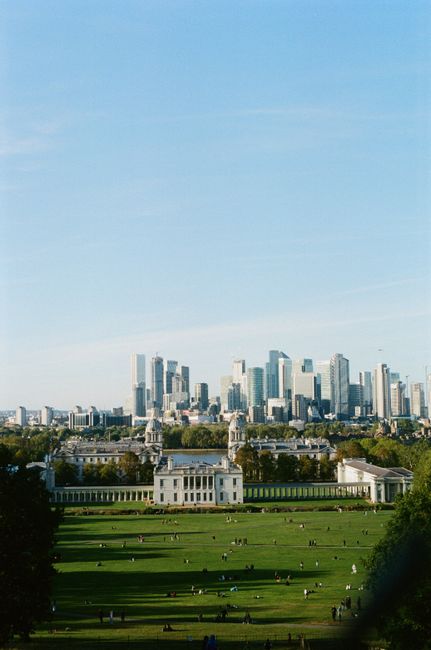
Getting rid of clutter should feel straightforward. Yet many people in Greenwich only discover the true cost after the job has started, when a quote suddenly changes because of stairs, access, waiting time, weight, or "special" disposal fees. That is exactly why it pays to avoid hidden charges in Greenwich rubbish removal quotes before you book anyone. A clear quote protects your budget, saves time, and makes the whole process less stressful. And let's face it, nobody wants a van pulled up outside while the price quietly drifts upward.
This guide breaks down how rubbish removal pricing really works, what the small print often hides, which questions to ask, and how to compare quotes properly. If you want a cleaner home, office, garden, or building site without the unpleasant surprise at the end, you're in the right place.
Why Avoid hidden charges in Greenwich rubbish removal quotes Matters
Price surprises are not just annoying. They can throw off a moving budget, disrupt a renovation schedule, or turn a quick clear-out into a long back-and-forth over what was "included". In Greenwich, where homes range from compact flats near busy streets to larger family properties and commercial spaces, the details matter even more. A quote that looks cheap at first can become expensive once the collection team sees the real access conditions.
The main issue is that rubbish removal is not one-size-fits-all. A sofa on the ground floor is very different from the same sofa on the third floor of a narrow terrace with parking limitations. A builder's bag of rubble is different from a mixed load of wood, metal, garden waste, and broken furniture. If the quote is vague, you are already taking a risk.
Hidden charges usually appear in one of three ways:
- Unclear inclusions - the quote leaves out labour, loading, or disposal handling.
- Late add-ons - extra fees are introduced after the driver arrives and sees the job.
- Ambiguous wording - phrases like "subject to inspection" or "from price" can be perfectly legitimate, but they need explaining.
The sensible approach is simple: compare like with like, ask direct questions, and make sure the provider gives you enough detail to understand what you are paying for. If you are also comparing wider service standards, it can help to review the company's pricing and quotes approach and their broader services overview so you know the scope of work before you commit.
How Avoid hidden charges in Greenwich rubbish removal quotes Works
In practice, a good rubbish removal quote should estimate the full job based on volume, type of waste, labour required, access conditions, and disposal route. Some companies quote from photos; others prefer a site visit or a short call. Neither is inherently better. What matters is whether the information you provide is enough for the company to price the job properly.
A transparent quote usually accounts for:
- Waste volume - how much stuff needs collecting, often measured in cubic yards, van load sections, or similar.
- Waste type - general household rubbish, garden waste, office items, builders' debris, bulky furniture, or mixed waste.
- Access - stairs, lifts, narrow hallways, parking restrictions, or distance from the load-up point to the vehicle.
- Labour - whether the team needs to carry items from inside the property, dismantle furniture, or sweep up afterwards.
- Disposal handling - the costs tied to responsible sorting, recycling, and disposal.
- Timing - same-day work, weekend bookings, or urgent collections can affect the price.
Where hidden charges creep in is when one or more of these elements are treated as if they were invisible. A provider may quote for a "van load" but not explain how much that load really holds, or they may price the waste itself but not mention a minimum labour charge. That's the sort of thing that catches people out.
It helps to remember that a quote is not just a number. It is a description of a job. If the description is thin, the price will be shaky too. If the description is clear, you can compare confidently and avoid unnecessary stress. That's the whole point.
Key Benefits and Practical Advantages
Taking a careful approach to quotes is not about being awkward or suspicious. It is about being organised. The payoff is real, especially if you value time, predictable costs, and fewer headaches on the day.
- Budget control: You know what the job should cost before anyone starts lifting.
- Better comparison: You can compare quotes fairly rather than chasing the cheapest headline figure.
- Less disruption: Fewer disputes mean a smoother collection day.
- Faster decisions: Clear quotes make it easier to book the right service quickly.
- More trust: A transparent provider usually gives clearer communication all the way through.
There is also a practical advantage that people often miss: a transparent quote tends to reflect a well-run operation. When pricing is tidy, the rest of the process often is too. Clear communication, sensible scheduling, and proper waste handling all tend to travel together. Not always, but often enough to matter.
Expert summary: If a rubbish removal quote cannot explain what is included, what could change the price, and how extra work is charged, treat it as incomplete rather than cheap.
For customers who want reassurance on handling and payment, it is worth checking pages such as payment and security, insurance and safety, and terms and conditions. These pages do not replace a proper quote, of course, but they do help you judge whether the business is careful with the details.
Who This Is For and When It Makes Sense
This approach matters for almost anyone arranging waste collection in Greenwich, but it is especially helpful if your job has more than one moving part. For example:
- Homeowners clearing lofts, garages, sheds, or spare rooms.
- Tenants leaving a flat and needing a quick, tidy collection before checkout.
- Landlords dealing with end-of-tenancy waste or abandoned items.
- Estate agents and property managers organising clearance between occupancies.
- Builders and tradespeople needing dependable builders' waste collection.
- Business owners clearing office furniture, archived materials, or unwanted equipment.
- Garden owners dealing with seasonal green waste and cuttings.
It makes sense any time you are comparing more than one provider, or when the job includes awkward access, heavy items, or mixed materials. A straightforward bag of rubbish from the front driveway is one thing. A full house clearance in a narrow street near a busy route is another story entirely.
If you are dealing with a property project, you might also find it useful to read about local property context in Greenwich through articles like the realities of living in Greenwich or Greenwich property buying steps. They are not rubbish removal guides, but they do help explain the kind of spaces and access issues people often face locally.
Step-by-Step Guidance
Here is a practical process you can use before agreeing to any quote. It is simple, but it works. And yes, it saves money more often than people expect.
1. List exactly what needs removing
Do not say "a bit of junk" if you can avoid it. Make a list. Separate furniture, white goods, bags, garden waste, builders' debris, and anything that may need special handling. If you are unsure, take photos from a few angles. A quote based on vague descriptions is where problems begin.
2. Note access conditions
Think about parking, stairs, lifts, distance to the collection point, and whether the team can load directly from outside. One flight of stairs may not sound like much, but in real life it changes labour time and effort. A company that understands this will ask the right questions up front.
3. Ask what the quote includes
This is the big one. Ask whether the price includes labour, loading, sweep-up, disposal, VAT if applicable, congestion or parking costs, and any minimum charge. If the provider cannot explain it clearly, that is a warning sign.
4. Ask what could change the price
Some providers will give a provisional estimate that is fair enough, but they should tell you what triggers a change. For example, a quote might be based on the quantity shown in photos and adjusted only if the actual load is materially larger. That is reasonable. Sudden, unexplained changes are not.
5. Compare more than the headline figure
The cheapest quote is not always the best value. A slightly higher quote that includes labour, disposal, and clear terms can be better than a low number with a pile of add-ons. To be fair, it is often the better deal in the end.
6. Confirm the booking in writing
Once you are happy, keep a written copy of the price, the waste description, and any assumptions. A brief email is enough. The important thing is that both sides are looking at the same version of the job. No surprises, no "that is not what we meant".
Expert Tips for Better Results
A few small habits can make a big difference when you are trying to avoid extra costs. Most of them are common sense, but common sense is oddly easy to forget when you are trying to clear a room before lunch.
- Send photos in daylight: Clear images make it easier to judge volume and access. A dim hallway at 7pm does nobody any favours.
- Be honest about mixed waste: Mixed loads are often priced differently from one-type loads, especially if sorting is required.
- Ask about minimum charges: Some jobs are priced by minimum call-out or minimum load size, which is normal if it is explained clearly.
- Clarify timing: Same-day work can be convenient, but check whether urgency affects the quote.
- Check what happens if the load is smaller: Good businesses should not penalise you for overestimating cautiously, but ask how they handle it.
- Keep a record of messages: If pricing was discussed by text or email, keep it. It can prevent awkward misunderstandings later.
Here is a very ordinary real-world example. A customer thinks they have one van load of mixed household waste. On inspection, the team sees a few extra bulky items tucked behind the shed and a fridge that needs separate handling. Without a clear quote structure, that can become a dispute. With clear pricing, it becomes a simple adjustment. Same job, very different mood.
If you need local help with specific jobs, the right service page matters too. For example, house clearance in Greenwich, office clearance, builders' waste disposal, garden waste removal, and waste clearance all have different pricing pressures. The quote should reflect that.

Common Mistakes to Avoid
Most hidden charge problems are not caused by trickery alone. Often, they happen because the customer and the provider did not define the job properly. That is annoying, but fixable.
- Accepting a vague "from" price without asking what changes it.
- Assuming labour is included when the quote only refers to disposal.
- Ignoring access issues such as narrow staircases or limited parking.
- Forgetting about special items like mattresses, fridges, fluorescent tubes, or heavy rubble.
- Choosing on price alone and not checking terms or exclusions.
- Failing to confirm the waste type if the load includes mixed materials.
- Not asking about VAT or other taxes where relevant.
Another common mistake is trying to squeeze too much into one job description. If you are clearing a shed, a spare room, and a garden all at once, say so. Splitting the information does not make the job bigger. It just makes it clearer. Weirdly, clearer jobs often cost less in the end because the team can plan properly.
Tools, Resources and Recommendations
You do not need specialist software or a spreadsheet the size of a dinner table. A phone, a few photos, and a short checklist are usually enough. Still, a little structure helps.
- Photo set: Take wide shots and close-ups of the items, access route, and parking situation.
- Room-by-room list: Note what is going from each room or outdoor space.
- Message record: Keep all quote discussions in one place if possible.
- Comparison sheet: Compare inclusion, exclusions, timing, and any extra fees, not just the final number.
- Service pages: Review the relevant local service pages before booking so the scope matches the job.
Useful pages on this site for context include about us, recycling and sustainability, and rubbish removal in Greenwich. These help you understand how a provider presents its work, what it says about responsible disposal, and how broad its service offering is.
For a more local flavour, you might also see how rubbish collection needs can differ in busy parts of the area, such as Greenwich Market rubbish removal, Greenwich Peninsula same-day rubbish collection, or Maze Hill house clearance steps. Different streets, different access, different pricing realities.
Law, Compliance, Standards, or Best Practice
Rubbish removal is not just a price conversation. In the UK, waste must be handled responsibly, and that means the company should be able to explain how it deals with collection, sorting, transport, and disposal. You do not need to become a compliance expert, but you should expect professional standards.
Best practice usually includes the following:
- Clear identification of the waste type before the job begins.
- Transparent pricing terms so the customer understands what is included.
- Proper handling of restricted or specialist items where relevant.
- Responsible disposal and recycling where possible, rather than simply moving waste from one place to another.
- Adequate insurance and safe working practices, especially for heavier or riskier jobs.
On the customer side, the main best practice is simple: be accurate about what needs removing and keep your confirmation in writing. If you are in any doubt about a quote term, ask for it to be explained in plain English. A trustworthy company should not mind that. In fact, it is a good sign when they welcome the question.
This is also where a careful read of the provider's terms and conditions and privacy policy can help, especially if you are sharing photos or personal access details during the quoting process.
Options, Methods, or Comparison Table
There are several common ways rubbish removal companies quote. None is perfect for every situation. The best method depends on the size of the job, how visible the waste is, and how much certainty you need before the team arrives.
| Quoting method | How it works | Pros | Watch-outs |
|---|---|---|---|
| Photo-based quote | You send images and a brief description | Fast, convenient, good for simple jobs | Can miss access issues or hidden waste |
| Phone estimate | You describe the job over the phone | Quick conversation, easy for urgent jobs | Easy to underdescribe the waste by accident |
| Site visit | The company views the job in person | More accurate for larger or awkward clearances | Takes more time to arrange |
| Fixed written quote | The final price is agreed in writing before booking | Highest clarity, easier to compare | Only as good as the information supplied |
For many Greenwich households, photo-based or written quotes are enough if the job is straightforward. For a large clearance, building work, or a property with awkward access, a more detailed quote is worth the time. Honestly, it can save a lot of noise later on.
Case Study or Real-World Example
Picture a resident in Greenwich who needs a mixed clear-out before a property handover. There are two broken wardrobes, several sacks of old clothes, a mattress, a few DIY offcuts, and garden clippings stacked near the back gate. The first quote they receive looks attractive because it is short and low. But it only mentions "collection of rubbish" and says extras may apply after inspection.
Instead of booking immediately, the resident sends clear photos, lists the items room by room, and explains that access is through a side passage with limited parking nearby. The second quote comes back higher, but it states what is included, what counts as extra, and how the collection will be handled. There are no mysteries.
On collection day, the team arrives expecting the work described. The job finishes without a pricing dispute because the quote matched the reality. That is the difference a clear process makes. Not dramatic. Just calm and efficient.
If the situation is more specific, such as sofa disposal after a tenancy change, it can help to look at local examples like the Charlton sofa disposal case study or Cutty Sark bulky waste removal. These kinds of pages are useful because they show how different jobs can vary depending on access, item size, and the amount of labour involved.

Practical Checklist
Use this checklist before you accept any rubbish removal quote. A few minutes here can save a lot of chasing later.
- Have I listed every item that needs removing?
- Have I included photos from more than one angle?
- Have I explained access issues, stairs, parking, and distance to the vehicle?
- Do I know whether labour is included?
- Do I know whether disposal is included?
- Have I asked about VAT or other charges if relevant?
- Have I checked for extra fees on bulky or specialist items?
- Is the quote written clearly enough to compare with others?
- Have I saved the message or email confirming the price?
- Do I understand what could change the final cost?
Quick takeaway: a transparent quote is detailed enough that a second person could understand the job from it. If it feels fuzzy, it probably is.
Conclusion
To avoid hidden charges in Greenwich rubbish removal quotes, focus on clarity, not just price. The best quotes spell out what is included, what might change, and how the job will be handled from start to finish. That gives you control, helps you compare providers fairly, and reduces the chance of a difficult conversation on collection day.
In the real world, good pricing is usually the result of good information. Clear photos, honest descriptions, and a little patience at the quoting stage can make the whole process much smoother. Small effort upfront, big relief later. Simple as that.
If you are planning a clear-out and want a fair, transparent approach, start by reviewing the relevant service details, comparing the scope properly, and making sure you know exactly what you are being quoted for. The right quote should feel reassuring, not mysterious.
Get a free quote today and see how much you can save.


 Tipper Van - Junk Collection and Rubbish Removal Prices in Greenwich, SE10
 Luton Van - Junk Collection and Rubbish Removal Prices in Greenwich, SE10