






Charlton sofa disposal case study waste clearance result
Posted on 09/07/2026
If you are staring at an old sofa in a Charlton flat, hallway, or back room and wondering how on earth it is going to leave the building without becoming a weekend disaster, you are in the right place. This Charlton sofa disposal case study waste clearance result article breaks down what a well-handled bulky furniture removal can actually look like in the real world: the planning, the lift-out, the disposal route, and the final tidy-up. No drama, no vague promises. Just a practical, local-minded walkthrough of how sofa clearance usually goes when it is done properly.
People often think sofa disposal is simple until they meet the stairs, the tight front path, the awkward turn by the banister, or the fact that the thing is heavier than it looked in the lounge. In Charlton, where homes range from compact terraces to purpose-built flats and busy residential blocks, the difference between a smooth clearance and a stressful one is usually preparation. That is exactly what this guide focuses on.
Along the way, you will also see how sofa removal connects to broader waste clearance choices, when a waste clearance service in Greenwich makes sense, and why some jobs are better folded into a wider house clearance rather than handled as a one-off pickup. It sounds obvious, but the small decisions are often the ones that save the most time.
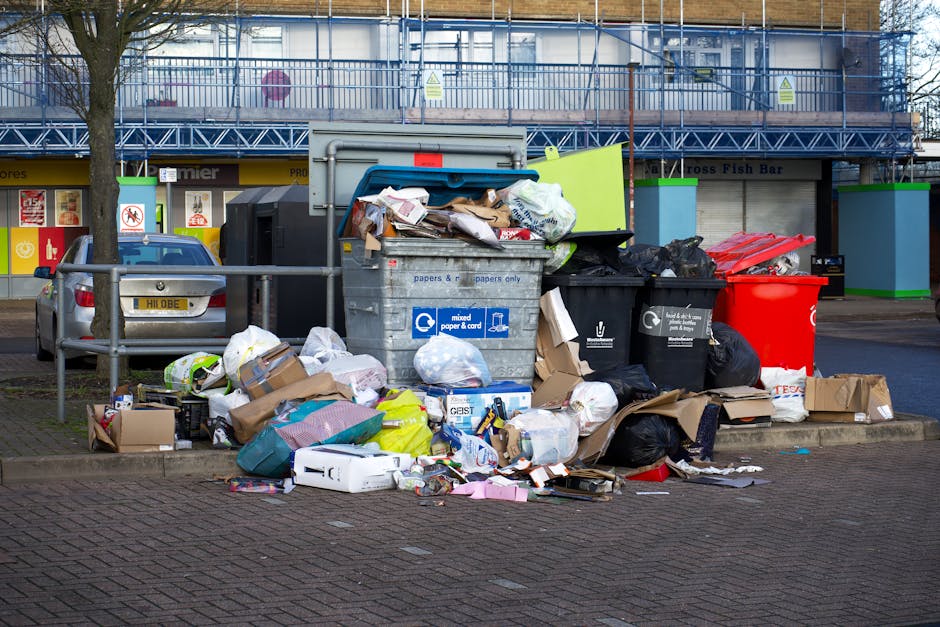
Why Charlton sofa disposal case study waste clearance result Matters
Sofa disposal is one of those jobs that looks minor on paper and then eats up half a day if it goes wrong. In Charlton, the result matters because bulky furniture rarely moves itself neatly out of a property. You are dealing with size, weight, route planning, building access, and disposal responsibility all at once. The end result is not just "sofa gone"; the real result is a room that is usable again, a walkway that is clear, and a disposal trail that has been handled in a sensible way.
For many homeowners, landlords, tenants, and letting agents, the value is practical. A sofa can block a move-out, delay a sale prep, spoil a photographed room, or simply make a property feel unfinished. Let's face it, one old three-seater can make a whole space feel tired. When it is removed properly, the change is immediate. You hear the room better. It looks bigger. Sometimes it even smells fresher, especially if the sofa has been sitting there through one too many rainy London months.
There is also a broader waste clearance lesson here. A sofa is rarely the only item with an end-of-life decision attached to it. Once one piece leaves, people often spot the broken coffee table, the spare chair, or the old chest of drawers that had been ignored for ages. That is why many customers end up exploring broader rubbish removal in Greenwich rather than solving one object at a time.
Key point: the "result" of a good sofa disposal job is not only removal. It is safe access, minimal disruption, and the confidence that the item has been handled in a responsible way.
How Charlton sofa disposal case study waste clearance result Works
A good clearance result usually follows a simple pattern. First comes the assessment. Then comes the route out of the property. After that, the sofa is loaded, transported, and directed to the right disposal or recovery channel. Simple in theory, a bit fiddly in practice.
In a typical Charlton sofa disposal case, the process starts with identifying exactly what needs to go. Is it a standard two-seater, a bulky corner sofa, or a sofa bed with metal parts? Does it need dismantling? Is the route clear through the hallway, or will the item need to be carried over a threshold, down narrow stairs, or through a shared entrance? Those details matter because they shape time, labour, and risk.
From there, the team or individual handling the work will usually look at the property access. That includes parking distance, lift access where relevant, timing restrictions, and whether neighbours or building managers need to be informed. This is the bit people forget. A clear route often makes more difference than brute strength. And yes, there is a certain amount of "move the lamp, pivot the armrest, try again" energy in many real-life sofa removals.
Once the sofa is out, the clearance result depends on where it is taken. Reusable items may be redirected for reuse if they are in usable condition. Damaged or worn-out sofas are normally dealt with through appropriate waste channels. Where a job is bigger than expected, or a whole flat needs emptying, it may be more efficient to bundle it into a broader clearance service or services overview route rather than asking for multiple separate visits.
To be fair, most of the work is won before the sofa even moves. Good prep is the real quiet hero here.
Key Benefits and Practical Advantages
When a sofa disposal job is done properly, the benefits are immediate and easy to feel. You do not need a spreadsheet to notice them.
- Space is restored quickly. A room can go from cramped to open in minutes once the sofa is out.
- Less physical strain. Heavy lifting is one of the main reasons people choose a professional clearance route in the first place.
- Lower risk of damage. Door frames, walls, bannisters, and floors are all safer when the moving route is planned.
- Cleaner handover. If you are moving out, selling, or letting a property, an empty room often makes everything else easier.
- Better disposal discipline. A managed clearance process reduces the chance of fly-tipping or improvised dumping.
- Time savings. A job that might take a resident most of a Saturday can often be completed far more efficiently by a trained team.
There is also a less obvious advantage: clarity. Once the sofa has gone, people make better decisions about the rest of the room. A clearance often breaks the mental logjam. Suddenly the decorating plan feels possible again, and the whole property starts moving in the right direction.
For landlords and sellers especially, that can be valuable. If a property is near a viewing stage, a bulky old sofa can make the space look smaller, darker, and more lived-in than it should. Removing it is not just tidying. It is presentation.
| Approach | Best for | Strengths | Trade-offs |
|---|---|---|---|
| Self-removal | Very light, easily movable items | Low cash cost, straightforward if access is easy | Heavy lifting, transport hassle, disposal responsibility on you |
| Bulky waste collection | Single large item or small set of furniture | Convenient, faster than DIY, less lifting stress | May need good access and accurate item details |
| Full waste clearance | Multiple items or a mixed load | Efficient, tidy, good for end-of-tenancy or refresh projects | Usually more involved than a simple one-item job |
| House clearance | Whole rooms, whole properties, larger declutters | Best for bigger turnaround jobs and property resets | Can be more than you need for a single sofa |
Who This Is For and When It Makes Sense
This kind of clearance makes sense for a lot of people, not just those in a rush. In fact, the earlier you think about disposal, the smoother it tends to be. Funny how that works.
You are likely to benefit if you are:
- Moving out of a Charlton property and need the sofa gone before check-out or handover.
- Preparing a home for sale and want the room to show well.
- Replacing old furniture and need the previous item removed without leaving a gap in the week.
- Managing a tenant changeover and dealing with abandoned or unwanted furniture.
- Clearing an inherited or long-unused property where bulky items are part of a larger job.
- Running a small business or office where reception furniture or seating needs to be moved out in one go.
It is also a sensible option when your sofa is simply too awkward for regular household disposal. Maybe it is rain-soaked, split at the seams, or too heavy for a solo move. Maybe it has a metal frame that makes the whole thing feel twice as awkward as it looks. Those are classic "don't wrestle it yourself" signs.
If the job starts to look like more than one item, the next step often shifts from sofa disposal to wider waste management. That is where a broader clearance option can make more sense than a narrow one-off approach.
Step-by-Step Guidance
If you want a clean result, do not start by lifting. Start by planning. The following approach keeps things steady and avoids the classic "we'll just see how it goes" mistake, which is usually where the trouble begins.
- Measure the sofa and the route. Check width, length, and any tricky angles between rooms, hallways, and exits.
- Identify any disassembly needs. Some sofas come apart at the legs, arms, or back sections. Others do not. A quick inspection saves time later.
- Clear the access path. Move side tables, lamps, shoes, plant pots, and anything else likely to snag or tip over.
- Decide whether the job is just one sofa or part of a wider clearance. If you have other unwanted items, group them now rather than sorting them one week at a time.
- Check building or parking constraints. In flats and managed blocks, access windows can matter more than people expect.
- Choose a suitable removal method. A single bulky piece may need one approach; a larger household clear-out may need another.
- Move the item safely. Use proper lifting technique, protect corners, and communicate clearly if two or more people are carrying.
- Confirm disposal or onward handling. The end of the job is not the front door. It is the correct processing of the item after collection.
- Tidy the space. Sweep, vacuum, and check for small debris, staple pins, or loose fabric.
A small but useful tip: take one photo before you start. Not because you need a documentary record of the sofa's final chapter, though that can happen, but because it helps you remember the exact size and condition if you end up comparing options later.
And if you are already making space for a new sofa, it can be smart to remove the old one before delivery day. Nothing derails a simple exchange like two bulky items meeting in the same hallway.
Expert Tips for Better Results
Good sofa disposal is rarely about strength alone. It is more about sequencing and awareness. Here are the details experienced clearance teams tend to pay attention to.
- Check for hidden fixings. Some sofas have clipped sections, removable feet, or under-frame attachments that are easy to miss.
- Protect the floor before lifting. Cardboard, blankets, or other soft protection can prevent scuffs on wood, laminate, or tile.
- Use a two-person carry where needed. A sofa can feel balanced until you hit a turn. Then it becomes a puzzle.
- Keep the route dry. Wet shoes, damp stairs, and rain from a Charlton afternoon can make carrying less secure than it should be.
- Bundle similar waste together. If there are cushions, broken chairs, or packaging to go as well, deal with them in one organised load.
- Do not leave the collection until the last minute. If you are moving house, the day before handover is stressful enough without a sofa blocking the way out.
One thing worth saying plainly: not every old sofa should be treated as a simple rubbish item. If the frame is intact, upholstery is usable, and the piece is still functional, reuse or donation-style pathways may be more suitable in some cases. If the sofa is beyond use, then disposal becomes the more realistic route. A good service will usually help you think through that decision rather than forcing a one-size-fits-all answer.
If you want to understand the wider approach behind responsible handling, have a look at the site's recycling and sustainability information. It helps frame the difference between simply moving waste and handling it with a bit more care.
Common Mistakes to Avoid
Most sofa disposal headaches come from a few repeat mistakes. They are easy to avoid, but oddly people still bump into them all the time.
- Underestimating size. A sofa that looks manageable in the room can become awkward at the doorway.
- Forgetting access constraints. Narrow stairs, tight bends, and shared entrances change the whole job.
- Skipping protection. One scrape on a wall can turn a quick disposal into an annoying repair job.
- Not checking if the sofa can be dismantled. If it can, dismantling may save time and reduce risk.
- Assuming disposal is the same as dumping. It is not. Responsible handling matters.
- Leaving other clutter in the way. Shoes by the hall, boxes by the door, and recycling bags on the stairs all add friction.
There is also a mindset mistake: treating the removal as the final task rather than the start of the room's next use. That is a subtle difference, but it changes how well the whole process turns out. If you know the room is going to become a guest room, office, or newly refreshed lounge, you will prepare differently. And better.
A slightly unglamorous truth: the clean result is usually won in the first ten minutes. The carrying is the easy-looking part.
Tools, Resources and Recommendations
You do not need a workshop full of gear, but a few basic tools and practical aids can make the job much smoother.
- Measuring tape for checking doorways and sofa dimensions.
- Gloves for grip and basic hand protection.
- Furniture sliders or blankets to reduce floor damage while repositioning.
- Basic hand tools if the sofa legs or frame parts can be detached.
- Cleaning kit for a quick final sweep after removal.
- Clear labels or notes if the removal is part of a larger property clear-out.
For many people, the most useful resource is not a tool but a structured service page. If you are comparing the wider removal options available locally, the main services page can help you understand the types of work typically covered. That is especially useful when a sofa job is really the tip of a larger decluttering iceberg.
You may also find it helpful to think about nearby service situations. A sofa removal in a home near busy roads or shared estate entrances can behave very differently from one in a quieter side street. Articles like same-day rubbish collection in Greenwich Peninsula and house clearance steps for Greenwich residents are useful comparisons for how timing and property access can shape the job.
Law, Compliance, Standards, or Best Practice
For sofa disposal and waste clearance, the sensible rule is simple: the item should be handled responsibly, and the service provider should operate in a way that aligns with standard UK waste-management expectations. You do not need to become a legal expert for one sofa, but you do need to avoid casual dumping or handing items to someone who cannot show they are doing things properly.
In practice, that means a few things. First, be careful about who takes the sofa away. If a service is not behaving professionally, the final risk can land back on you. Second, expect safe lifting practices, respectful access handling, and proper transport. Third, if the item is being reused or recycled, that process should still be neat and traceable in the ordinary sense of good business practice, even if every step is not visible to the customer.
Where a property is managed by a landlord, agent, or building supervisor, there may also be local access rules, booking windows, or quiet hours that matter. That is not legal drama; it is just the reality of working in urban homes and blocks. A clearance job that respects the building tends to go more smoothly for everyone.
If you are choosing a provider, it is also worth reading practical pages about insurance and safety, as well as the terms and conditions and payment and security information. Those pages help set expectations in plain English, which is always a relief. Nobody wants surprises hiding in the small print.
Options, Methods, or Comparison Table
There is no single best method for every Charlton sofa disposal job. The right choice depends on access, item condition, urgency, and how much else needs clearing. Here is a practical comparison.
| Method | Speed | Convenience | Best use case | Notes |
|---|---|---|---|---|
| DIY move and disposal | Variable | Low | Small, light, easy-access items | Can be difficult with stairs, parking, or larger sofas |
| Bulky furniture pickup | Fast | High | One-off sofa or a few large items | Good balance of effort and speed |
| Full waste clearance | Fast to moderate | Very high | Mixed loads and several items together | Often best value if you have more than the sofa |
| Property clearance | Moderate | Very high | End-of-tenancy, probate, house reset | Better when the sofa is part of a bigger job |
For the right kind of job, a simple bulky collection is ideal. For the wrong kind, it can be a false economy. If you have three other items waiting in the wings, be honest with yourself and broaden the plan. It usually saves time in the end.
Case Study or Real-World Example
Here is a realistic Charlton-style example based on the kind of job that comes up often.
A resident in Charlton was replacing a well-used two-seater sofa before a room refresh. The sofa had a solid frame, but the upholstery was worn and the item was too bulky to move comfortably through the hallway without removing the legs. The property had a narrow entrance, a small turn at the top of the stairs, and limited space for keeping the corridor blocked. The main goal was simple: remove the sofa cleanly, avoid wall damage, and leave the room ready for decorating.
The clearance started with measuring the sofa and checking the route from lounge to front door. The legs were detached, cushions were removed, and the access path was cleared of shoes, a side table, and two boxes that had somehow become permanent residents of the hall. The team then moved the sofa in short, controlled stages instead of trying to muscle it in one go. Sensible, really.
The result was better than the resident expected. The room was cleared in one visit, the hallway was left tidy, and the new furniture delivery could be arranged without awkward overlap. No dents in the walls, no scuffed paint, no lingering "we'll sort it next week" feeling. Just a clear space and a clean finish.
What makes this example useful is not the sofa itself. It is the method. Measure first. Clear access. Dismantle where needed. Use the right removal option. That approach gives a far better result than trying to improvise on the spot.
If the job had turned out to include a bed base, wardrobe, and boxed clutter, the better move would have been to treat it as a broader house clearance rather than a one-item job. That is often where the most efficient result comes from.
Practical Checklist
Use this checklist before any sofa disposal job in Charlton. It is simple, but it helps.
- Measure the sofa and the doorways.
- Check whether the sofa can be dismantled.
- Clear the hallway, stairs, and exit path.
- Protect floors and corners if possible.
- Confirm whether there are parking or access limits.
- Decide whether you have one item or a wider clearance.
- Separate reusable pieces from true waste.
- Choose the removal method that fits the job, not just the cheapest-sounding one.
- Keep children and pets away while lifting is happening.
- Do a quick final sweep once the sofa is gone.
Practical summary: the best Charlton sofa disposal result is usually the one that looks boring from the outside. No panic, no damage, no delays. Just a clear route, a clean exit, and a room that is ready for the next stage.
Conclusion
The Charlton sofa disposal case study waste clearance result is really a story about good planning paying off. When the item is measured, the route is cleared, the right removal method is chosen, and the job is handled responsibly, the outcome is straightforward: the sofa leaves, the space opens up, and the rest of the property becomes easier to manage.
That is the part many people underestimate. Sofa disposal is not just about getting rid of an awkward object. It is about making the next decision easier, whether that is decorating, moving, selling, letting, or simply enjoying a less crowded room. In a busy area like Charlton, that kind of practical clarity matters more than it first seems.
If you are weighing up whether to do it yourself or bring in help, be honest about access, weight, and time. A little planning now saves a lot of faffing about later. And frankly, that is a win worth taking.
Get a free quote today and see how much you can save.
Sometimes the best result is the quiet one: a cleared room, a lighter day, and a small sense that things are back in order again.



 Tipper Van - Junk Collection and Rubbish Removal Prices in Greenwich, SE10
 Luton Van - Junk Collection and Rubbish Removal Prices in Greenwich, SE10