






Greenwich Market rubbish removal local guide SE10
Posted on 29/05/2026
If you are dealing with clutter around Greenwich Market, a post-renovation clear-out, or simply a pile of unwanted bits after a busy weekend, you are not alone. In a place like SE10, space disappears quickly, and rubbish has a habit of feeling bigger than it looked yesterday. This Greenwich Market rubbish removal local guide SE10 is designed to help you understand what to do, what to expect, and how to handle waste removal in a way that is practical, tidy, and not more stressful than it needs to be.
Whether you are a stallholder, nearby resident, landlord, shop owner, or someone clearing a property before a move, the basics are the same: separate what can be reused, avoid blocked access, and choose a service that suits the amount and type of waste. To be fair, half the battle is knowing where to start. The rest is just getting it done properly.
This guide covers the local context around Greenwich Market rubbish removal, how the process usually works, the main benefits, compliance concerns, common mistakes, and the smartest way to prepare. It also points you to a few useful pages on site, including the full services overview, pricing and quotes, and recycling and sustainability.
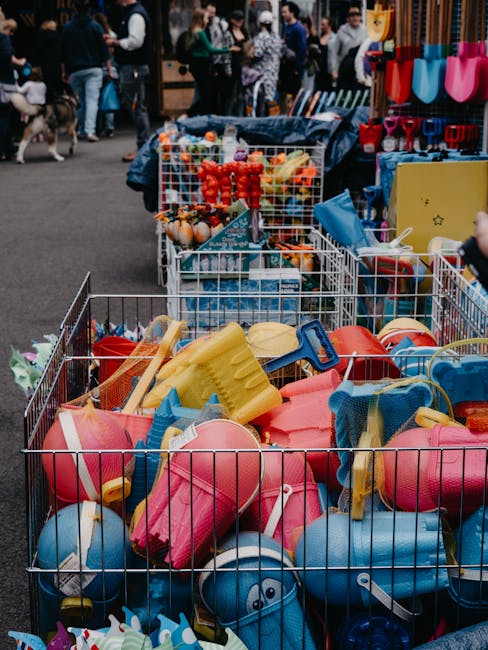
Why Greenwich Market rubbish removal local guide SE10 Matters
Greenwich Market is one of those places where footfall, trading activity, nearby homes, and visitor traffic all overlap. That creates a very specific rubbish removal challenge. Waste can build up fast, access can be tight, and timing matters more than people expect. A bad plan means dragging bags through narrow routes, blocking shared space, or leaving material sitting around longer than it should.
In SE10, the local setting also shapes the job itself. You may be dealing with mixed waste from retail displays, packaging after deliveries, old furniture from a flat, or garden cuttings from a nearby property. The waste type changes the method. So does the volume. And if you are near the market at a busy point in the day, a van arriving at the wrong moment can make a simple clear-out feel oddly complicated. A bit of planning saves a lot of fuss.
There is also a trust element here. People want rubbish removed without damage, missed collections, or uncertainty about what happens next. That is where a local guide helps. It gives you a realistic picture of what is reasonable, what needs extra care, and when a specialist service is the better call. If you want a broader picture of the company's approach, about us is a useful place to start.
Expert summary: In a busy SE10 setting, good rubbish removal is less about brute force and more about timing, sorting, access, and choosing the right method for the waste you actually have.
How Greenwich Market rubbish removal local guide SE10 Works
Most rubbish removal jobs in and around Greenwich Market follow a similar pattern, even if the details vary. First, you identify what needs to go. Then you decide whether the job is a simple waste clearance, a heavier builders waste disposal task, a house clearance, or something more tailored. After that, the collection is scheduled, the load is removed, and the material is taken away for sorting, recycling, or disposal.
The practical reality is that local jobs work best when the waste is already separated as much as possible. Cardboard in one pile, reusable items aside, and heavier or awkward materials flagged early. If the team knows in advance that there are bulky units, broken fixtures, or mixed debris, they can plan the vehicle, loading time, and manpower more accurately. That usually means fewer surprises on the day. And fewer surprises is always nice.
For many readers, the simplest route is to match the job to a dedicated service. For example, household clutter often suits house clearance Greenwich, while renovation debris is better handled through builders waste disposal Greenwich. Garden cuttings, soil, and outdoor waste are a different animal altogether, so garden waste removal Greenwich is usually the neater fit.
In practice, the collection itself should feel orderly. Waste is assessed, loaded safely, and removed without turning your pavement, entryway, or trading area into a mess. Simple enough on paper. In real life, a little local know-how makes all the difference.
Key Benefits and Practical Advantages
The most obvious benefit of using a structured rubbish removal service near Greenwich Market is speed. When rubbish is affecting trading, storage, or day-to-day comfort, getting it cleared promptly matters. But speed is only one part of it. A good service also reduces stress, protects access, and helps keep a property or business space in better shape.
Another major advantage is flexibility. Not every job is a full clear-out. Sometimes you just need a few items gone. Sometimes it is a mix of loose waste and bulky furniture. Sometimes it is a one-off after a market event, a flat move, or a small refurbishment. A flexible service avoids overcomplicating the job.
There is also the practical value of recycling and sorting. Responsible removal does not mean everything goes into one bin bag and disappears. That would be the old way, and frankly, not the best way. Better operators try to divert suitable items for recycling where possible, which can reduce landfill impact and make the whole process cleaner from an environmental point of view.
Here are the main advantages most people notice:
- Less clutter around homes, shops, and market-adjacent premises
- Faster turnaround for busy sites with limited space
- Safer handling of bulky or awkward items
- Better sorting of recyclable materials
- Less disruption for neighbours, customers, or passers-by
- A cleaner starting point for decorating, moving, or reopening
If you are comparing service types, the wider range of available services helps you choose something that matches the job instead of forcing the job to fit the service. That sounds obvious, but it saves people time more often than you might think.
Who This Is For and When It Makes Sense
This guide is useful for a fairly wide group of people. The Greenwich Market area attracts traders, residents, landlords, tenants, small businesses, renovators, and people passing through with a short-term project. Waste patterns differ, but the need for sensible removal is the same.
You may need this kind of service if you are:
- Clearing packaging, stock waste, or display materials after trading
- Moving out of a flat and dealing with unwanted furniture or general clutter
- Preparing a rental property between tenancies
- Handling post-refurbishment rubble, timber, or mixed debris
- Cleaning up a garden or outdoor space
- Emptying an office, back room, store cupboard, or storage unit
There is also a timing question. When does it make sense to call for rubbish removal instead of trying to manage it yourself? Usually when the waste is too bulky for normal bins, too much for your own vehicle, or too awkward to move without risking damage. A single broken wardrobe, for example, can become an unexpectedly annoying half-day project if you try to shift it alone. Been there, or at least seen enough of it.
If the job involves business premises, it can also be sensible to review office clearance Greenwich as an option. Office waste often includes paper, screens, desks, chairs, and mixed items that need careful handling rather than just a quick toss into a skip-like pile.
Step-by-Step Guidance
If you want the process to run smoothly, the best approach is simple and practical. Start with the waste you have, not the service you think you need. Then narrow it down from there.
- Sort the waste by type. Separate general rubbish, recyclables, bulky items, green waste, and anything potentially hazardous.
- Estimate the volume. A small pile, a van-load, and a full clear-out are very different jobs. Guessing wildly is how people end up underprepared.
- Check access. Think about stairs, narrow entrances, parking, lifts, shared courtyards, and any time restrictions around the market.
- Identify awkward items early. Fridges, mattresses, smashed furniture, or heavy fixtures may need specific handling.
- Choose the right clearance type. Match the waste to a service such as general rubbish removal, waste clearance, house clearance, or builders waste disposal.
- Prepare the area. Move personal items, clear a route, and keep anything staying behind safely out of the way.
- Confirm timing and expectations. The smoother the handover, the quicker the collection tends to go.
- Ask about recycling and disposal. A good provider should explain, in plain English, how waste is managed after collection.
The key thing is not to overcomplicate it. A lot of rubbish removal jobs are improved simply by doing the prep properly. One short burst of organisation can save a lot of back-and-forth later. And in SE10, that matters because space is often the thing people have least of.
Expert Tips for Better Results
Here is the kind of advice that tends to make a real difference on the day.
1. Put the heaviest items closest to the exit. If the team can reach them first, the job usually moves quicker. A cluttered flat with a sofa hiding under coats and boxes is not ideal. Obvious, yes. Still often forgotten.
2. Keep like with like. Cardboard, wood, metal, and mixed rubbish are easier to handle when grouped neatly. It also helps if recycling is part of the plan.
3. Be honest about the volume. People sometimes downplay how much there is because they hope it will be cheaper or simpler. That can backfire. A clear description usually leads to a better experience.
4. Think about neighbours and shared access. Greenwich Market and the surrounding streets can be busy and tight. A collection that works well at 8 a.m. may be awkward at noon.
5. Remove personal or sensitive items first. Old paperwork, keys, and anything with private information should be taken out before clearance begins.
6. Ask what happens to reusable items. Not everything needs to be treated as rubbish. Some material may be suitable for reuse, donation, or recycling, depending on condition and local arrangements.
7. Check the insurance and safety approach. For awkward removals, stairs, or heavier items, it is worth understanding how the service works in practice. Insurance and safety information helps build confidence, especially if the property is tight, old, or a bit fiddly around the edges.
One more thing: if the job feels like it is growing while you look at it, that is normal. Rubbish has a way of multiplying in the corner of your eye. Not literally, thankfully. But close enough.
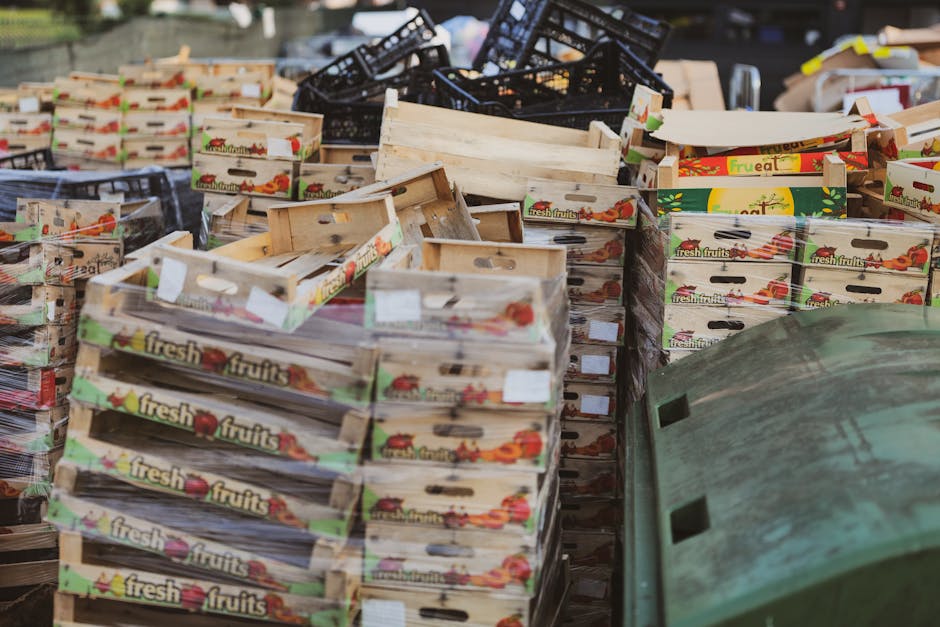
Common Mistakes to Avoid
Most problems with rubbish removal are avoidable. They usually come from rushing, underestimating the job, or assuming everything can be handled in the same way. That is rarely true.
Here are the mistakes that cause the most hassle:
- Leaving sorting until the last minute. Mixed waste slows everything down.
- Forgetting access restrictions. Narrow stairs, parking issues, or market traffic can all affect collection.
- Ignoring specialist waste. Builders waste, electrical items, and green waste should not be treated as generic rubbish.
- Not measuring bulky items. Large furniture and fixtures can be awkward to move through older SE10 properties.
- Assuming a fast job means a careless job. Speed is useful, but safe handling matters more.
- Leaving the booking vague. "A bit of waste" is not a great description. Try to be specific.
A smaller, less obvious mistake is not thinking ahead about what you want to keep. In a cluttered room, useful things get mistaken for junk. It happens all the time. One minute it is a pile of old bits; the next, you are wondering where that spare charger went. Easy to do, annoyingly.
Tools, Resources and Recommendations
You do not need specialist tools for every job, but a few simple items make rubbish removal easier and safer. Strong bin bags, gloves, tape, a marker pen, and a tape measure are all worth having before a collection starts. A dolly or sack truck can help with heavier items, though many people will not need one if the service is handling the lifting.
For planning, it is useful to make a basic waste list first. That list can include:
- Approximate number of bags
- Bulky furniture or appliances
- Builders debris or renovation leftovers
- Garden clippings, soil, or branches
- Any fragile, sharp, or heavy objects
On the service side, the most useful pages are often the practical ones. Waste clearance Greenwich is a sensible option for mixed loads, while rubbish removal Greenwich is the core page for general day-to-day clearances. If you are dealing with a longer, more involved clear-out, house clearance Greenwich can help you think through the scope.
It can also help to review company policies before booking. Pages like terms and conditions and payment and security may not be exciting reading. Not exactly page-turners. But they do tell you a lot about how the service operates and how your booking is handled.
Law, Compliance, Standards, or Best Practice
Rubbish removal in London is not just a practical task; it also touches on responsible disposal, duty of care, and safe handling. You do not need to become a legal expert to book a collection, but it helps to know the broad expectations. Waste should be passed to a legitimate carrier, handled safely, and taken to appropriate facilities. That is the baseline good practice most people should expect.
For households and businesses alike, it is wise to keep records of what was removed, especially for larger clearances or commercial waste. If you are a business owner near Greenwich Market, that becomes even more relevant because mixed commercial waste can include materials that should not simply be bundled together without thought.
Safety matters too. Stairs, glass, heavy furniture, sharp edges, old fittings, and tight access points all increase risk. A careful team will plan for that rather than improvising. On your side, the best practice is to keep routes clear, warn about hazards, and avoid lifting anything that is too heavy or awkward for one person. No heroics needed, really.
Recycling expectations are also part of modern best practice. While not every item can be reused or recycled, sensible sorting reduces waste and supports better environmental outcomes. If sustainability matters to you, the dedicated recycling and sustainability page is worth a look.
Options, Methods, or Comparison Table
Different jobs call for different methods. Here is a straightforward comparison to help you think it through.
| Method | Best for | Strengths | Possible limits |
|---|---|---|---|
| General rubbish removal | Everyday waste, mixed clutter, small to medium loads | Quick, flexible, easy for routine clear-outs | May not suit specialised waste types |
| Waste clearance | Broader mixed loads or property-wide tidying | Good for one-off jobs and varied materials | Needs a clear brief to avoid confusion |
| House clearance | Flats, homes, downsizing, end-of-tenancy clear-outs | Handles furniture and mixed household items well | Can be more involved than people expect |
| Builders waste disposal | Renovation debris, rubble, timber, plasterboard, offcuts | Suited to heavier, messier material | Requires correct separation and planning |
| Garden waste removal | Branches, soil, clippings, outdoor clear-ups | Keeps outdoor jobs tidy and manageable | Not ideal for mixed non-garden waste |
If you are unsure which option fits, start with the actual waste type rather than the location. Greenwich Market is the setting, but the waste itself decides the method. That simple distinction saves a lot of guesswork.
Case Study or Real-World Example
Picture a small independent trader working near Greenwich Market on a Saturday afternoon. The stall has had a good week, but the back stock room is now full of broken packaging, worn display pieces, a cracked shelving unit, and a few awkward bags of mixed waste. It is not a full shop clearance. It is not just a couple of black sacks either. Very typical, in other words.
Rather than trying to move everything in stages through a busy trading area, the trader sorts the waste into rough groups first: cardboard, reusable stock accessories, broken timber, and general rubbish. They also note that access is narrow and the handover needs to happen after closing, not during peak footfall. That one detail alone makes the job smoother.
On the day, the collection is quicker because the waste is already organised and the route is clear. The trader keeps the useful items, the rubbish is removed properly, and the space is ready for the next week. Nothing dramatic. Just a tidy result, which is often exactly what people need.
This same pattern applies to many SE10 situations, from post-move clearances to small refurb jobs. The lesson is simple: a little prep changes the whole experience.
Practical Checklist
Use this checklist before booking a collection or arranging a clear-out around Greenwich Market:
- Have I identified the main waste types?
- Do I know roughly how much needs removing?
- Are there any heavy, sharp, or fragile items?
- Is access straightforward, or are there stairs, parking issues, or tight entrances?
- Have I separated reusable items from rubbish?
- Do I need general rubbish removal, waste clearance, house clearance, or builders waste disposal?
- Have I cleared the route to the waste?
- Am I confident about what stays and what goes?
- Do I know the preferred collection time?
- Have I checked the service information, pricing, and safety details?
If you can answer yes to most of those, you are in good shape. If not, no problem. That is exactly what planning is for.
Get a free quote today and see how much you can save.
Conclusion
Greenwich Market rubbish removal does not need to feel complicated. Once you understand the waste type, the access conditions, and the right service for the job, most of the stress drops away. That is especially true in SE10, where busy streets, older properties, and tight spaces can make poor planning feel twice as hard.
The best results usually come from simple habits: sort first, describe the load clearly, prepare the route, and choose a service that matches the task. Do that, and the whole thing becomes much more manageable. Clean, efficient, and a lot less of a headache.
If you are weighing up next steps, review the relevant service pages, check the practical details, and make a choice based on the waste in front of you rather than the one you hoped you would not have to deal with. Truth be told, that approach saves time every time.
And once the clutter is gone, the space usually feels better straight away. Brighter. Calmer. A bit easier to breathe in, which is no small thing.
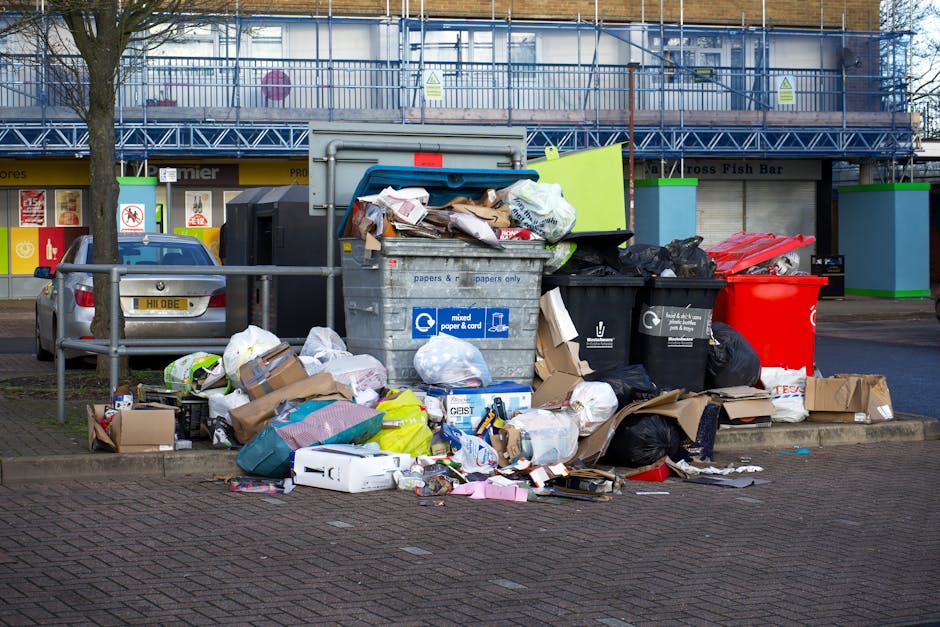


 Tipper Van - Junk Collection and Rubbish Removal Prices in Greenwich, SE10
 Luton Van - Junk Collection and Rubbish Removal Prices in Greenwich, SE10