






Rubbish removals on Creek Road access problems and fixes
Posted on 23/10/2026

If you have ever tried to arrange rubbish removals on Creek Road access problems and fixes, you will know the awkward bit is rarely the waste itself. It is the narrow road, the parking restrictions, the busy traffic, the awkward stairwell, the last-minute "where exactly can the van stop?" moment. That is usually where a simple clearance turns into a small logistical puzzle.
This guide breaks down what actually goes wrong on Creek Road, why it matters, and the fixes that make a collection run smoothly. Whether you are clearing a flat, handling builder's waste, or dealing with bulky items after a move, the aim is the same: get the rubbish out safely, legally, and without wasting anyone's time. And honestly, a bit of planning goes a long way.
You will also find practical steps, common mistakes, a comparison of approaches, and a realistic checklist you can use before booking. Let's make the tricky parts feel a lot less tricky.
Why Rubbish removals on Creek Road access problems and fixes Matters
Creek Road is the kind of place where access can change the whole job. A collection that should take twenty minutes can take twice that if the vehicle cannot stop nearby, if there is no safe loading point, or if waste has to be carried further than expected. That sounds small, but in real life it affects timing, cost, safety, and even whether the clearance can happen at all.
For residents and businesses, access issues often show up in very ordinary ways. A landlord has a pile of old furniture in a second-floor flat. A shop on a tight stretch of road needs packaging and display waste cleared before opening. A homeowner is tidying a garden after a weekend of work, and the bags are heavier than expected. Creek Road can be perfectly manageable, but only if the clearance plan matches the street conditions.
Why does this matter so much? Because poor access can lead to missed collections, extra labour, parking headaches, and avoidable stress. No one wants a van circling the block while everyone stands around with a sofa. To be fair, that is nobody's idea of a good morning.
Practical takeaway: access is not a side issue. On busy or tight streets, it is part of the job design. The clearer the access plan, the smoother the removal.
There is also a trust angle here. When a company understands the local access conditions and asks the right questions upfront, it usually means fewer surprises later. That is the kind of professionalism people notice straight away.
How Rubbish removals on Creek Road access problems and fixes Works
The basic process is simple: identify what needs removing, assess how the team can reach it, and choose a collection method that fits the street. The access part is where the planning happens.
In practice, a good rubbish removal team will usually consider:
- how close the vehicle can safely park
- whether there are loading restrictions or timed bays
- stair access, lifts, or tight hallways
- the size and weight of the items
- any need for multiple trips
- whether the collection should be timed around traffic or neighbours
If access is difficult, the fix may be as simple as adjusting the arrival time or using a smaller vehicle. In other cases, the solution is a two-person carry, a staged load-out, or arranging for the waste to be brought to a more accessible point first. Sometimes the simplest answer is the best one. Not glamorous, but it works.
For example, if a bulky wardrobe is on an upper floor with a narrow turn on the stairs, the team may need to dismantle it on-site. If parking outside the property is impossible, they may agree a nearby meeting point and carry items over a short distance. That small adjustment can save a job from becoming a saga.
It is also worth noting that access problems are not always the same as waste problems. The rubbish may be straightforward, but the route to it is not. This is why a quick photo, a short description, or a site visit can make such a difference before the van arrives.
Key Benefits and Practical Advantages
When access issues are handled properly, the advantages are very real. You get a quicker collection, fewer surprises, and less disruption to your day. That alone is worth a lot when you are trying to clear a property and move on with life.
- Smoother timing: fewer delays caused by parking, loading, or route confusion.
- Lower risk of damage: items are less likely to bump walls, railings, or door frames.
- Better cost control: fewer overruns from extra labour or repeat visits.
- Less stress: you know what is happening and when.
- Safer handling: heavy or awkward items can be moved with the right approach.
- More reliable completion: the job gets finished in one go more often than not.
There is a quieter benefit too: good access planning makes the whole service feel more professional. You can tell when a team has thought it through. They arrive with the right kit, know where to park, and do not stand there scratching their heads at the kerb. You notice that.
For landlords, letting agents, and local businesses, that reliability can be just as important as the clearance itself. A smooth rubbish removal helps keep a property presentable and reduces the knock-on effect on tenants, customers, or contractors. In a busy part of Greenwich, that kind of efficiency is no small thing.
Who This Is For and When It Makes Sense
This kind of planning matters for anyone using rubbish clearance on or near Creek Road, but some situations benefit more than others.
- Homeowners: when clearing old furniture, loft clutter, garden waste, or post-renovation debris.
- Tenants: when moving out and needing fast, tidy removal without upsetting neighbours or the building manager.
- Landlords and agents: when preparing a property between lets and access is limited by stairs, shared entrances, or parking rules.
- Businesses: when getting rid of shop waste, office furniture, stockroom clutter, or packaging materials.
- Builders and tradespeople: when dealing with rubble, timber offcuts, plasterboard, or mixed site waste.
It makes sense to plan carefully when you have any of the following:
- limited on-street parking
- a narrow frontage or shared entrance
- heavy or bulky items
- restricted building hours
- refuse that needs sorting before loading
- a deadline, such as end-of-tenancy or handover day
If none of that sounds familiar, you may still benefit from a simple collection. But once access is slightly awkward, the job becomes more than a van and a pair of hands. It becomes logistics. Small difference, big effect.
Step-by-Step Guidance
Here is a practical way to handle rubbish removals on Creek Road when access might be a problem.
- List everything to be removed. Group it into furniture, bags, appliances, green waste, and mixed rubbish. This helps the team estimate space and effort.
- Check the access route. Look at parking, stairways, lifts, gates, and any tight turns. If you have to carry items a long way, say so early.
- Take a few clear photos. A quick picture of the items and the access point can save a lot of back-and-forth.
- Flag restrictions. Mention timed bays, entry codes, neighbour access, and any loading rules. The little details matter.
- Choose the right collection method. A small vehicle, a two-person team, or a staged removal may be more suitable than a large one.
- Prepare the route. Move loose items out of the way, unlock gates, and keep hallways clear if you can do so safely.
- Confirm timing. Try to book a slot that avoids school runs, peak traffic, or building access rushes. Morning can be easier, though not always.
- Ask about loading and disposal. A professional operator should be able to explain how the waste will be handled and separated.
- Be ready for final checks. Before the van leaves, walk through the property or collection area to make sure nothing has been missed. It happens more often than people think.
A small aside from experience: the jobs that go best are usually the ones where the customer tells the awkward stuff upfront. "The lift is tiny." "The sofa only fits one way." "Parking is dreadful after 8 a.m." That honesty saves everybody time.
Expert Tips for Better Results
There are a few practical habits that make a big difference on tighter roads like Creek Road.
1. Measure the awkward item. If you have a sofa, wardrobe, bed frame, or appliance, give the rough dimensions. A collection team can usually work with that and decide whether it needs dismantling.
2. Think about the carry distance. Five metres versus fifty metres is a different job entirely. Even if the items are not heavy, the loading time changes.
3. Separate hazardous or specialist items early. Paint, chemicals, fridges, tyres, and some electrical items may need separate handling. Do not bury them in a mixed pile and hope for the best.
4. Leave a little room for the unexpected. Sometimes rubbish stacks are bigger than they look in person. In poor light, especially early morning or late afternoon, people often underestimate them. Happens all the time.
5. Photograph the access point from street level. A picture of the entrance, kerb, or loading spot can be more helpful than a long explanation.
6. Ask about dismantling in advance. If a bed frame or cupboard is likely to need taking apart, mention it before the team arrives. That saves time and avoids awkward surprises.
7. Keep neighbours in mind. If the job means carrying items through a shared hallway or communal entrance, a bit of care goes a long way. Quiet, tidy, respectful. Simple really.
And one more thing: if the access sounds marginal, do not assume it will "probably be fine". That is how small issues become expensive ones. A quick check now is far better than a frustrated team, a blocked route, and a lot of unnecessary huffing.
Common Mistakes to Avoid
Most access problems are manageable, but a few recurring mistakes can make them worse.
- Underestimating parking pressure: assuming the van can stop right outside when that spot is usually busy or restricted.
- Leaving access details until the day of the job: by then, options are limited.
- Mixing awkward items with general waste: this slows sorting and can affect disposal handling.
- Forgetting about stairs, lifts, and door widths: the item may fit in the room but not through the route out.
- Not mentioning access codes or entry systems: a team that cannot get in cannot start.
- Assuming all rubbish removals are the same: a ground-floor pickup and a fourth-floor walk-down are not the same job at all.
The biggest mistake, truth be told, is treating access like an afterthought. It is part of the service, part of the price, and part of the timing. Ignore it, and the rest gets messy fast.
Tools, Resources and Recommendations
You do not need a lot of equipment to make a removal go smoothly, but a few basic tools and preparations help.
- Tape measure: useful for checking item size, doorway width, and stair turns.
- Mobile photos: quick pictures of the load and access route are often enough for a reliable estimate.
- Gloves and sturdy footwear: sensible if you are moving items yourself before the team arrives.
- Labels or tape: useful for marking what stays and what goes, especially in busy households or office clearances.
- Bin bags or boxes: helpful for sorting loose waste into manageable piles.
- Parking note or booking confirmation: handy if someone else in the household or office is coordinating access.
If you are booking a clearance service, look for clear information on pricing, insurance, safety, recycling practices, and what types of waste are handled. A decent provider should be transparent about the process and not leave you guessing. If you want to understand the service range first, a good place to start is the services overview and the main rubbish removal Greenwich page, which outline the kind of jobs commonly handled locally.
For jobs involving construction debris, a specialist approach is often better, especially where access is tight and the waste is heavy. In those cases, builders waste disposal Greenwich can be more suitable than a general clearance. For mixed household clearances, house clearance Greenwich is often the better fit. And for businesses clearing desks, filing, or old fittings, office clearance Greenwich may be the right route.
If you are comparing costs or trying to avoid surprises, the pricing and quotes page and the article on avoiding hidden charges in Greenwich rubbish removal quotes are both worth a look. Not every quote is as straightforward as it looks on screen.
Law, Compliance, Standards, or Best Practice
Rubbish removal is not just about lifting items into a van. There are legal and practical responsibilities around waste handling, transport, safety, and disposal. The details can vary depending on the waste type and the property, so it is wise to stay on the safe side.
In general, a responsible service should operate with proper waste handling practices, appropriate insurance, and a sensible approach to site safety. If waste includes electrical items, sharp materials, heavy debris, or potentially hazardous components, extra care is needed. The same applies if the job involves shared walkways, basement areas, or communal blocks where residents may be passing through.
Best practice on tight-access jobs usually includes:
- clear communication before arrival
- safe lifting and carrying methods
- respect for shared property and neighbours
- separation of recyclable material where possible
- proper handling of specialist waste streams
- honest pricing based on what the team can actually access
If you are unsure whether a particular item needs special handling, ask before collection rather than after. That is the calmer route, and also the cleaner one. For reassurance on how a provider approaches safety and responsible operations, it can help to review the site's insurance and safety information and its recycling and sustainability approach.
There are also broader policy pages that signal how a business operates, which is useful if you are booking on behalf of a company or managing a property portfolio. The about us page, terms and conditions, and payment and security pages are all sensible places to check. It is not exciting reading, granted, but it tells you a lot.
Options, Methods, and Comparison Table
Not every access problem needs the same fix. Here is a simple comparison to help you decide what kind of clearance approach fits best.
| Method | Best for | Access challenge | Notes |
|---|---|---|---|
| Standard van collection | Easy street access and straightforward loads | Low to moderate | Good when parking is available close by and items are already gathered |
| Two-person manual carry | Bulky household items, stairs, shared entrances | Moderate | Useful where items cannot be moved with trolleys or dollies |
| Timed collection slot | Busy roads and peak traffic areas | Moderate | Helps reduce waiting and makes loading more predictable |
| Smaller vehicle or shuttle transfer | Narrow streets and limited stopping space | High | May involve moving waste in stages to the main vehicle |
| Dismantle-and-remove approach | Large furniture or awkward shapes | High | Often the best answer when an item will not fit through the route intact |
For many Creek Road jobs, the best option is a mix rather than one fixed method. A collection might start with a short carry, then use a van nearby, then finish with a quick dismantle. That is normal. The point is not to force one approach onto every property.
If you are dealing with a full property or a heavier clear-out, you may also find service-specific help useful. For garden-related waste, garden waste removal Greenwich is often the cleaner option. For mixed clearances where everything has to go in one sweep, waste clearance Greenwich can be a better fit.
Case Study or Real-World Example
Here is a simple real-world style example based on a typical local clearance scenario.
A resident near Creek Road needed an old sofa, a broken chest of drawers, several bin bags, and a small bookcase removed after a flat tidy-up. The access issue was not the amount of waste, but the layout: narrow stairwell, no lift, and street parking that filled quickly in the morning.
Rather than turning up and hoping for the best, the team asked for photos of the hallway and the sofa dimensions the day before. They also suggested an earlier arrival window to avoid the busiest parking period. The sofa was slightly too awkward to carry intact, so it was broken down on-site into manageable sections. Nothing dramatic. Just sensible.
The result was a quicker load-out, no damage to walls, and fewer trips up and down the stairs than expected. The customer did not have to scramble for a last-minute parking workaround, which was probably the biggest relief of all.
That kind of job shows why access planning matters. The waste type was ordinary, but the route out was not. And once that was handled properly, the whole process became much easier.
Practical Checklist
Use this checklist before booking rubbish removals on Creek Road if access may be tight.
- Have I listed every item that needs removing?
- Have I checked whether any item needs dismantling?
- Do I know if the vehicle can stop nearby?
- Have I mentioned stairs, lifts, gates, or access codes?
- Have I taken clear photos of the items and entrance?
- Are any items hazardous, heavy, or specialist waste?
- Have I checked the timing for traffic, parking, or building restrictions?
- Have I cleared the route as far as safely possible?
- Do I know what happens if the team cannot access the property as expected?
- Have I compared quotes carefully, including any access-related charges?
If you can tick most of those boxes, you are in good shape. If not, take five minutes and sort the weak spots out now. It really does pay off.
Conclusion
Rubbish removals on Creek Road access problems and fixes are really about preparation, communication, and choosing the right method for the street in front of you. Once access is thought through properly, the rest of the job becomes far simpler. Fewer delays. Less stress. A cleaner finish.
The main lesson is straightforward: do not treat access as an afterthought. Whether you are removing a single bulky item or clearing a full property, a quick check of parking, carrying distance, and route constraints can save time and money. And if the job feels awkward, that is exactly the moment to slow down and plan, not rush.
In a busy local setting, a smooth clearance feels like a small win, but those small wins matter. They make the day lighter. They make the space usable again. And sometimes, that is enough.
Get a free quote today and see how much you can save.
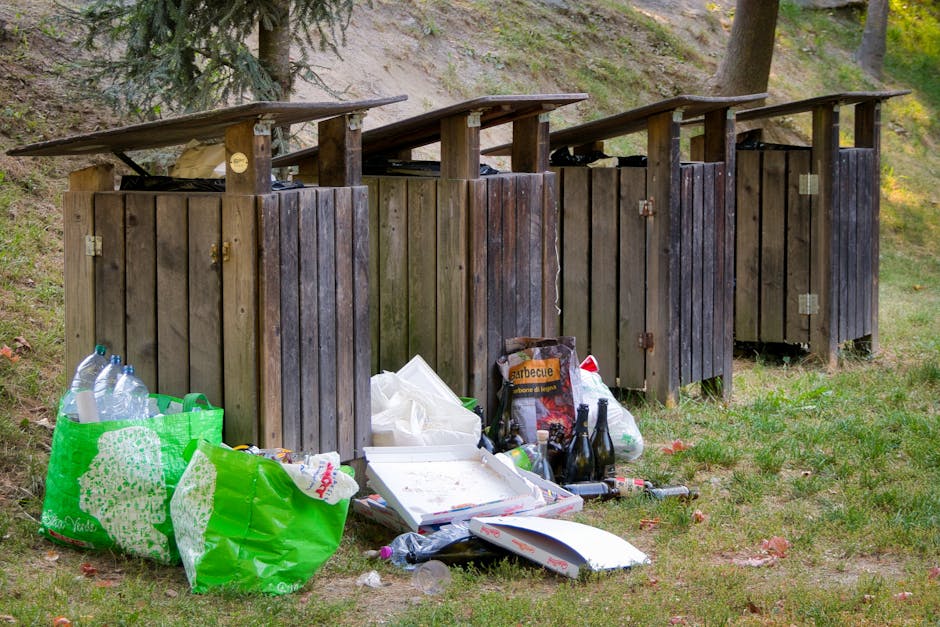


 Tipper Van - Junk Collection and Rubbish Removal Prices in Greenwich, SE10
 Luton Van - Junk Collection and Rubbish Removal Prices in Greenwich, SE10